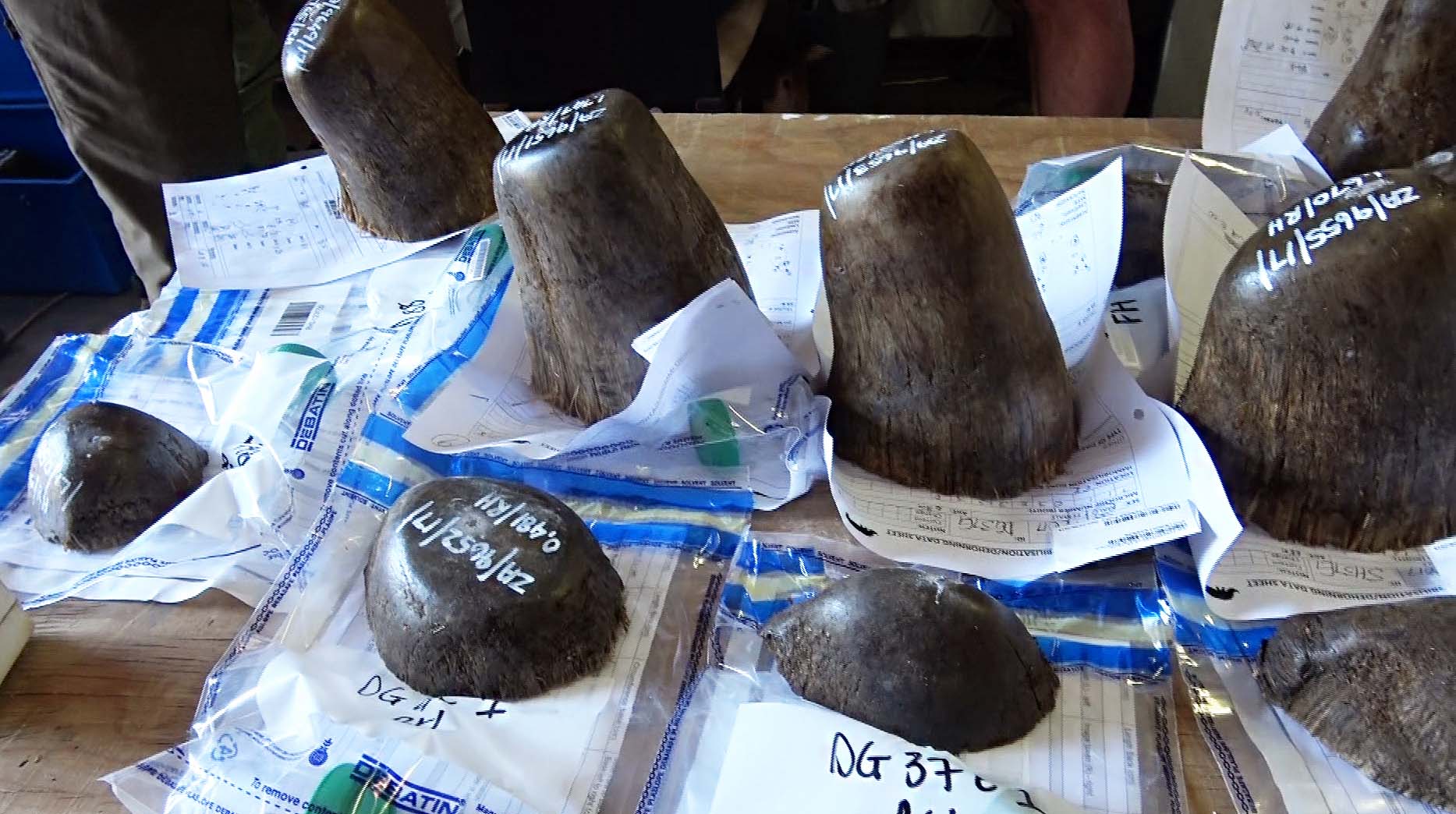
Legal international trade in rhino horn is now inevitable.
All the barriers have quietly fallen over the past two years and a consortium of private conservationists have assembled all the pieces that will trigger a revolutionary strategy to rescue the rhino from extinction.
The consortium has assembled all the remaining requirements – international buyers, governments ready to issue the necessary CITES - approved import permits, and a solid understanding of the legal and economic parameters both in South Africa and in the consuming countries.
The two key hurdles that previously blocked trade no longer exist – certification of captive breeding operations and publication of the necessary Non-Detriment Finding by the South African Scientific Authority. Several private reserves have now gained the necessary certification, and the NDF was officially published in late 2019.
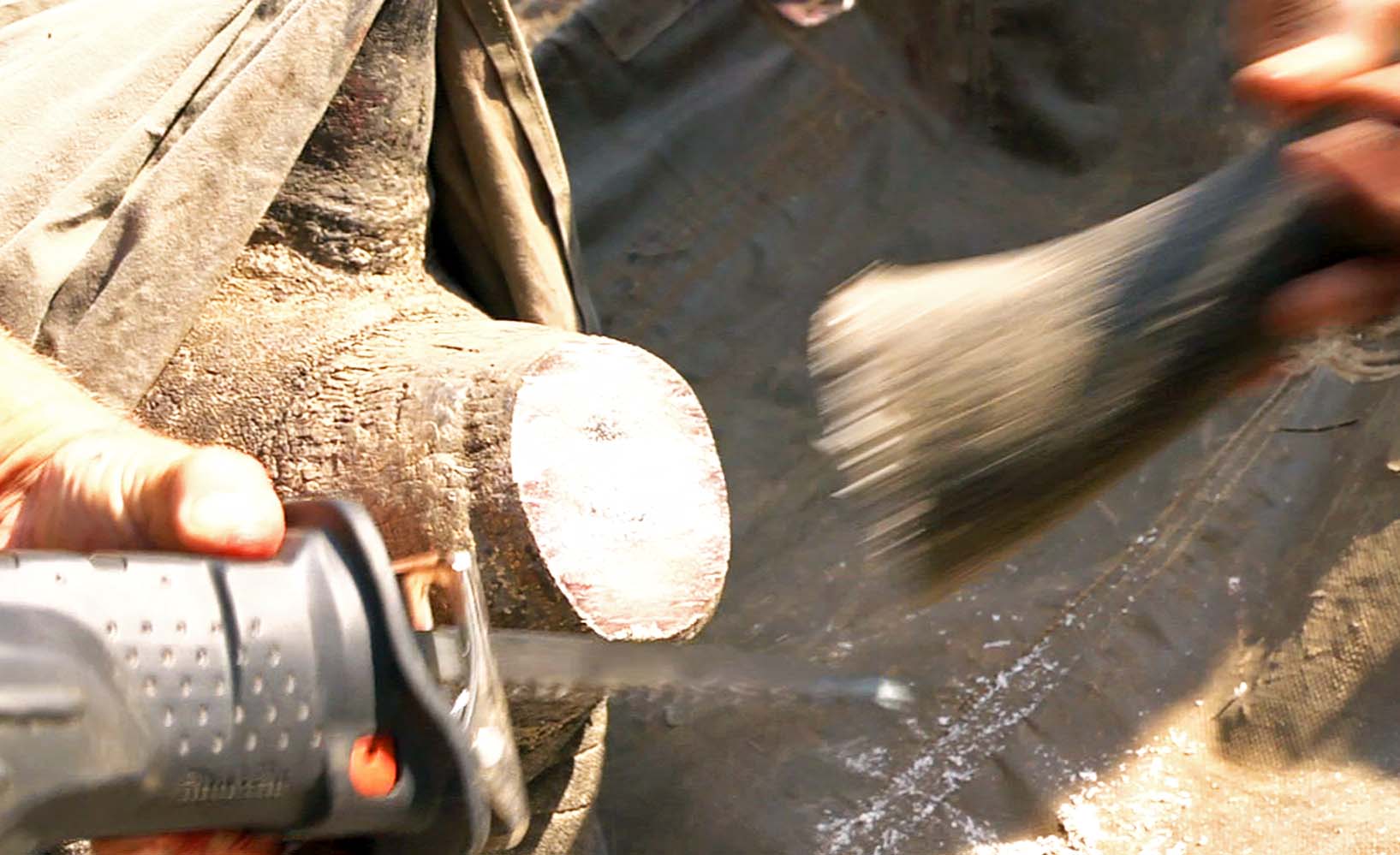
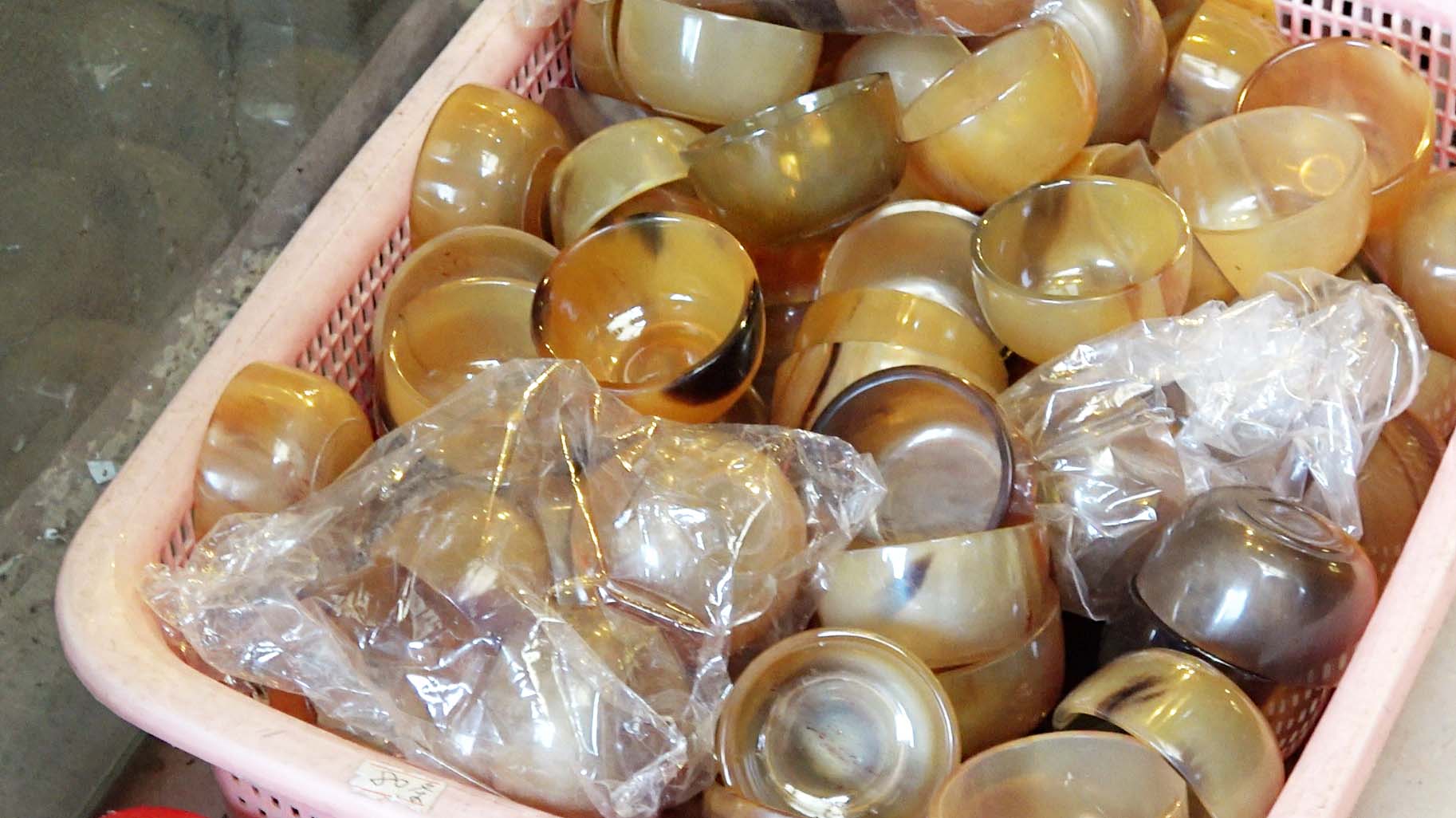
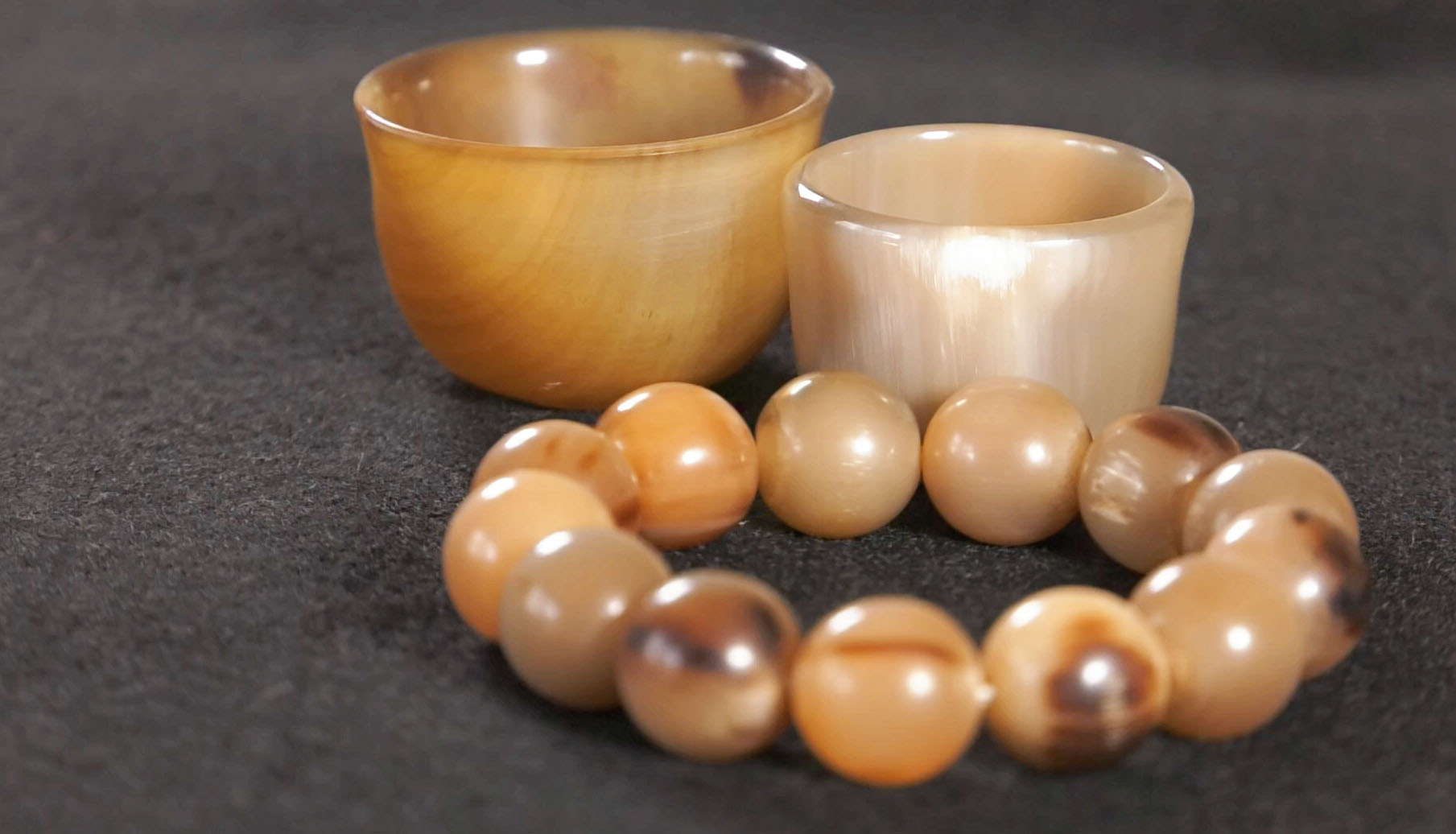
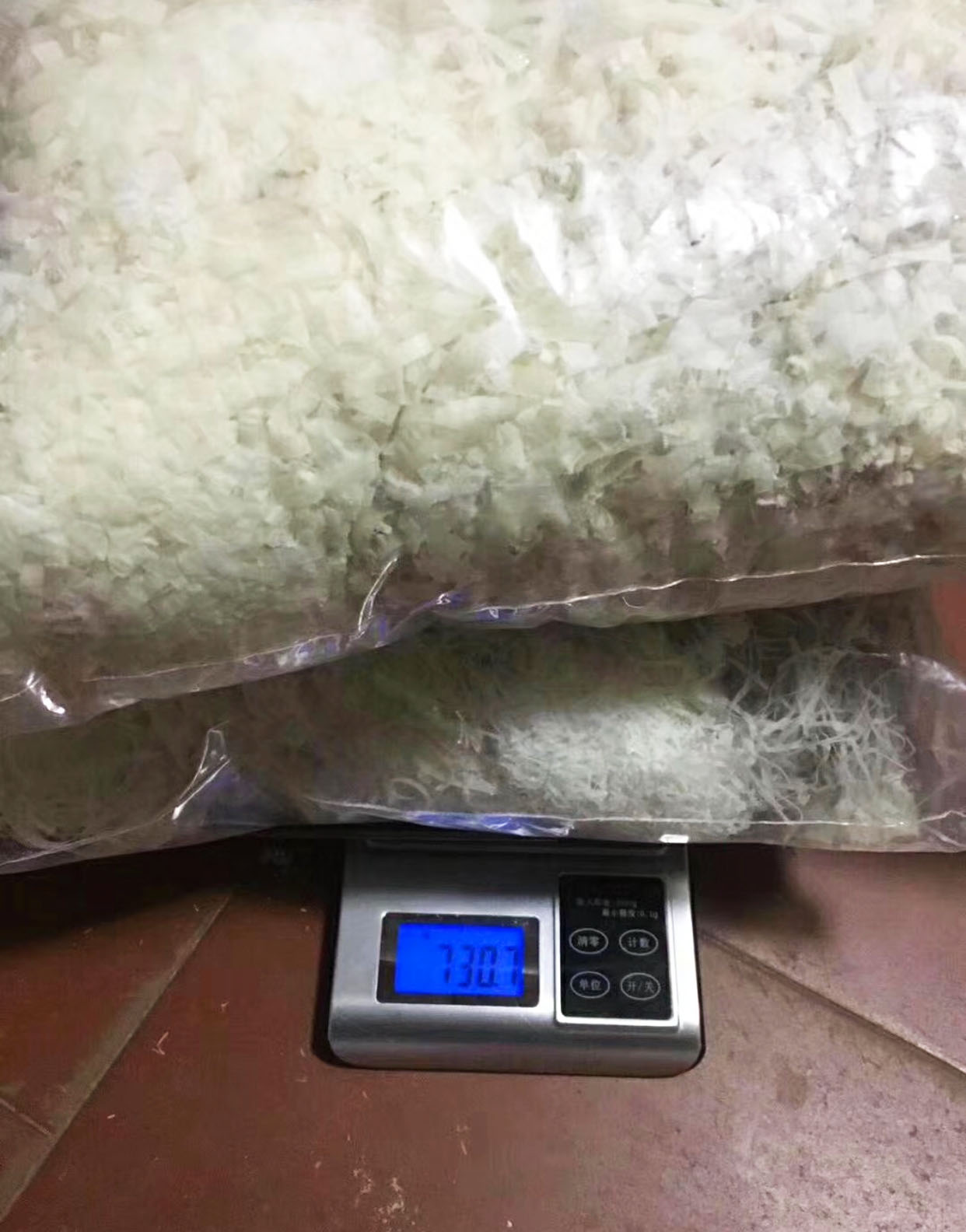
The Trillion Rand potential value of this trade was calculated by Dr Azar Jammine of Econometrix based on the value of horn currently in stockpiles, the horn produced every year as rhino are ‘trimmed’ for conservation purposes, and the potential to monetize future horn production immediately through sales of futures. One third of the value to be earned from rhino horns comes from the sale of raw material. Two thirds of the value– roughly R600 billion – is created in the beneficiation process (i.e. carving). Current South African regulations make it impossible to beneficiate the horns domestically.
Thus, South Africa must either implement considered changes to the regulations or accept that the majority of the opportunity will accrue to other economies.
Implementing a Sustainable Funding Model for the Conservation of Rhino
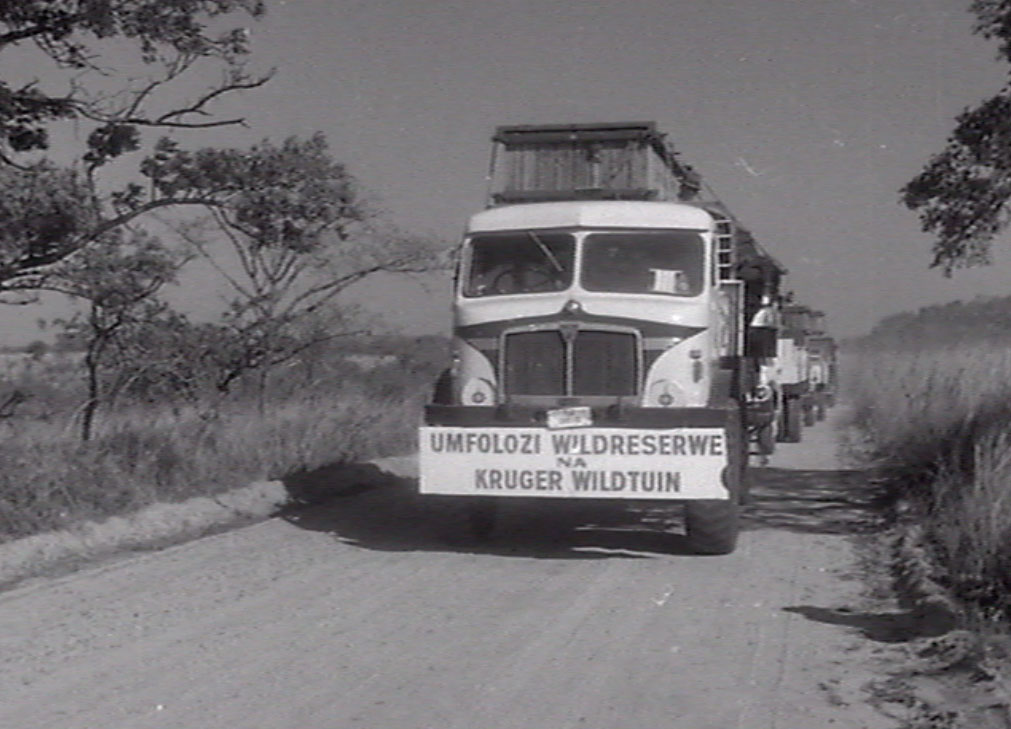
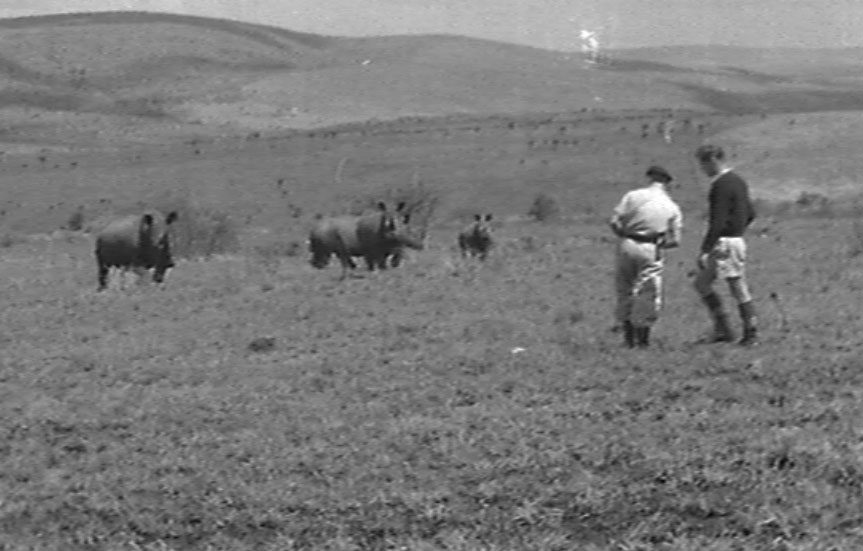
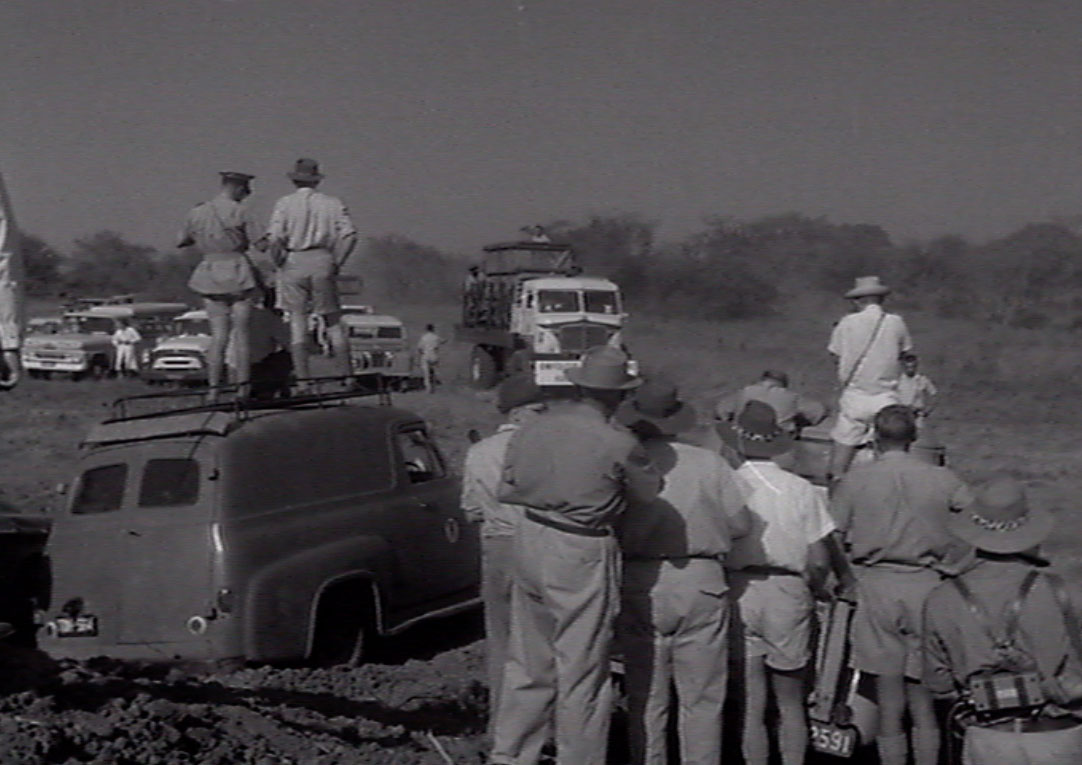
In the 1950s and 60s, the Hluhluwe iMfolzi Park in South Africa’s Kwa Zulu Natal Province became known as the birthplace of rhino preservation, bringing the species back from the brink of extinction. Dr Ian Player is well known as the initiator and team leader of the innovative and internationally acclaimed project ‘Operation Rhino’. The project removed a number of white rhino from the Hluhluwe iMfolozi Park, the last remaining habitat of the less than two-hundred southern white rhino and through relocation, safe breeding groups were established elsewhere in the country and in the world. ‘Operation Rhino’ successfully saved the southern white rhino from extinction and resulted in the population spiking to the approximately 20 000 white rhino we have today, a direct result of moving some of the animals into private ownership once the law allowed it. Consider that during the same period, the number of rhino in the rest of Africa had declined by over 80%.
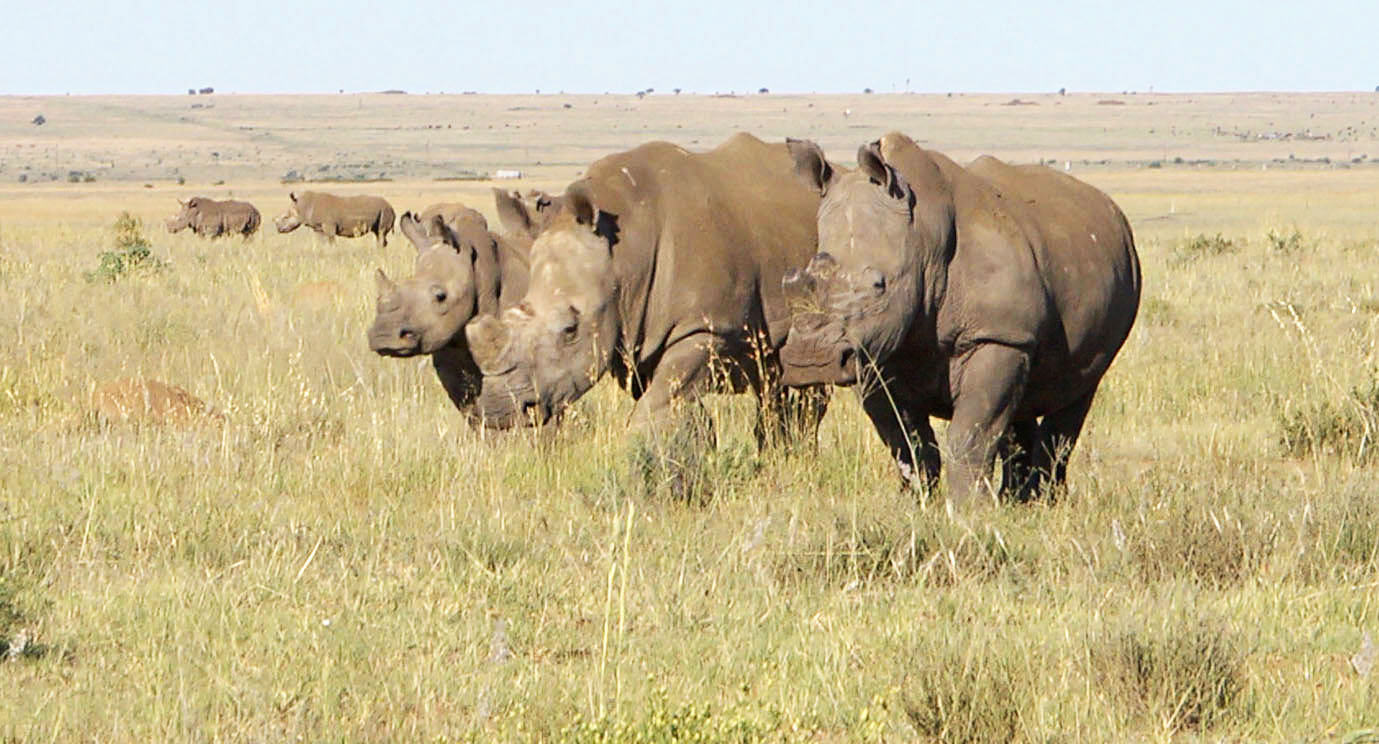
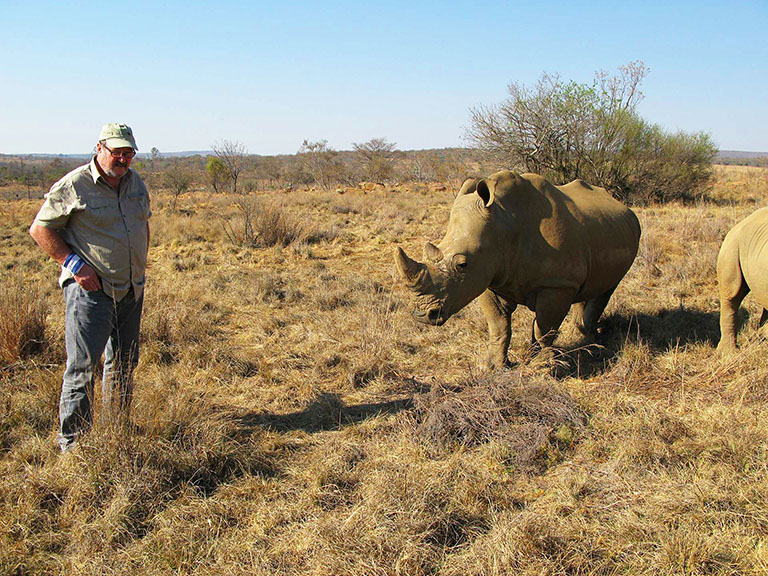
The southern African countries of Namibia, Zimbabwe and South Africa hold 90% of Africa’s remaining black rhinos and white rhinos. In recent years, the amount of poaching has skyrocketed and many conservationists believe the tipping point, the point at which more rhino are being poached than are being born, for the species survival has been reached
Uses of Rhino Horn
Traditional Chinese Medicine or TCM is a branch of traditional medicine said to be based on more than 3,500 years of Chinese medical practice and includes various forms of herbal medicine, acupuncture, cupping therapy and dietary therapy. Rhino horn was used in TCM together with other natural ingredients for treating fever or relieving the symptoms of arthritis and gout. The Chinese Government removed rhino horn from TCM pharmacopoeia in 1993.
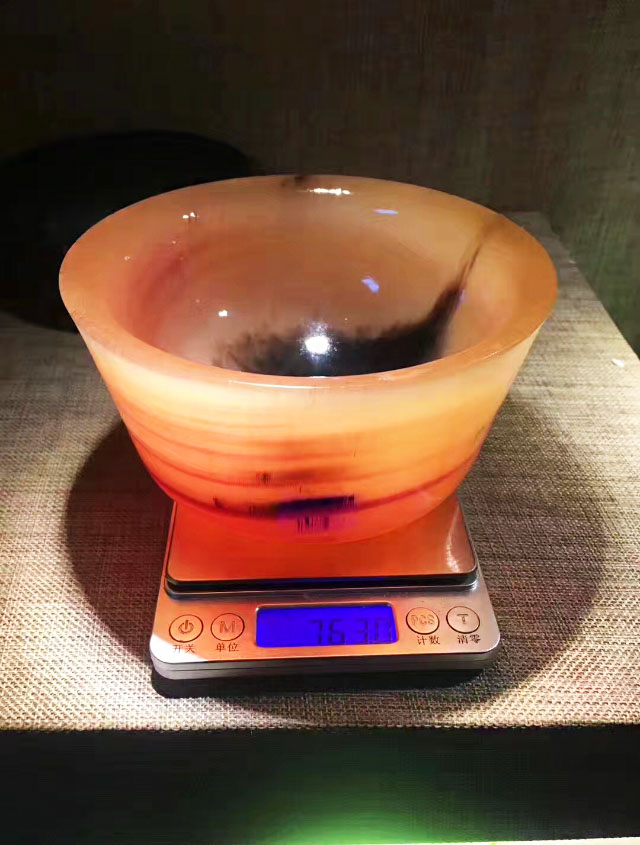
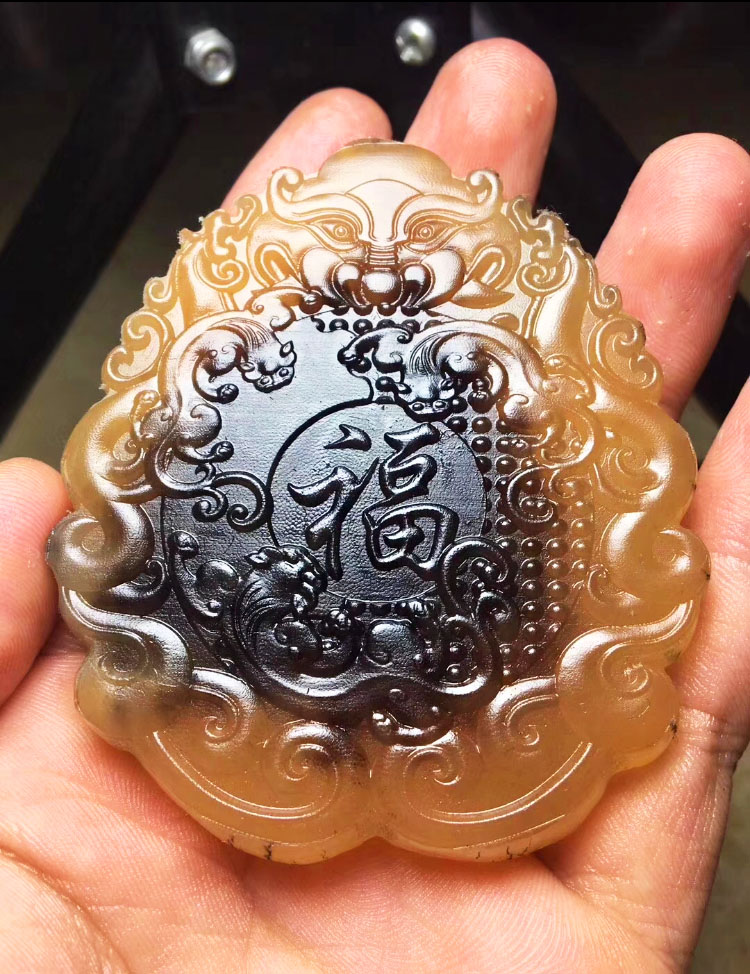
Today the vast majority of rhino horn is used to craft artefacts as status symbols for the nouveau riche of the South East Asian region, the use has literally morphed from health to wealth